
Why there’s still an argument about NYT coverage of trans people
The New York Times is digging in its heels on institutional transphobia. The NYT open letter has been signed by ‘over 1,200 New York Times contributors and over 34,000 media workers, Times readers, and subscribers.’

A trans person is trans everywhere we go
We belong to the world. If he agrees with the ACLU statement that trans people belong everywhere, why is he arguing with it? What are ‘those heights’ that trans people cannot hit?

On trans kids, ask people who know
Try looking where the answers are. How does the New York Times know what it thinks it knows? Is it influenced by its peers? Is it what it says it is? Is it ever going to change?
Climate change is expensive, but that’s not the point
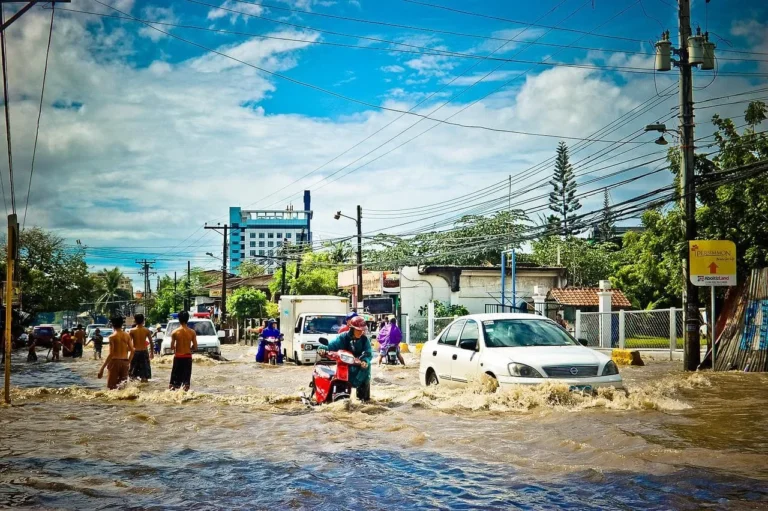
Why would we calculate how many dollars the planet’s worth? How many trillion dollars? Does it matter? Climate change is very, very expensive. It will make us reassess what it means for something to be expensive.

I’m not debating that
But what’s this article doing, then? If cheese-breads are puffy, why are nut-breads less puffy? No one is asking what bakers are up to! Might be a conspiracy. Maybe nut-breads should be banned.
You won’t be afraid of that book anymore
You’ll feel better when you acknowledge your own reactions. Some people don’t want us to think and feel for ourselves, because doing so is part of what it means to be, and they want us to be afraid.
Green Birds Are Birds
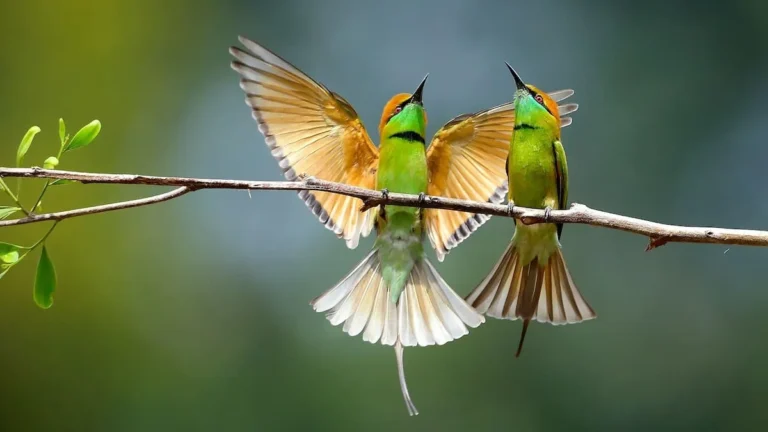
But green is a color. It’s a concept, not a thing you can point to — unless you find a thing or a living being that is green. A bird is a living being you might encounter in the air. You can see it in the world. Birds who are green are green and also birds. They’re green birds.
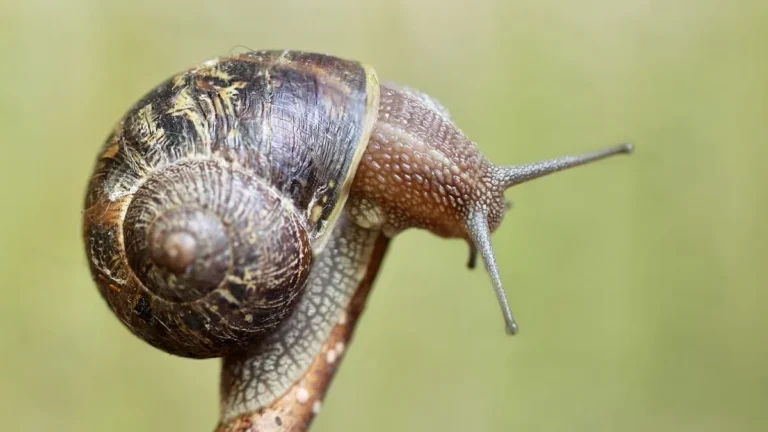
The living cathedral of knowledge
Secreting a shell. The cathedral is partly mine. Or is it a living snail, creeping ahead of me, of which I had lost sight, with which I am at this moment catching up?

How Many Anti-Trans Laws Were Proposed Last Week?
We need to pay attention to all 50 U.S. states—as well as all countries—but doing all that in the same article makes for challenging storytelling and storylistening. Reed’s article yesterday highlighted five U.S. states, so I’ll go with her approach.