
Two things ‘cancel culture’ refers to
On ‘speaking first’ and the meaning of ‘engagement’. You can decline to “engage” online. Think quietly somewhere else. That’s not “cancel culture.” Rewarding someone for being wrong serves no one’s interests.

High school debate judges have their own opinions
They want an inclusive, non-hostile environment. Oppression can be systemic. We know our own experiences. These are obvious facts. How can we pretend not to know them when we make any judgment whatsoever?
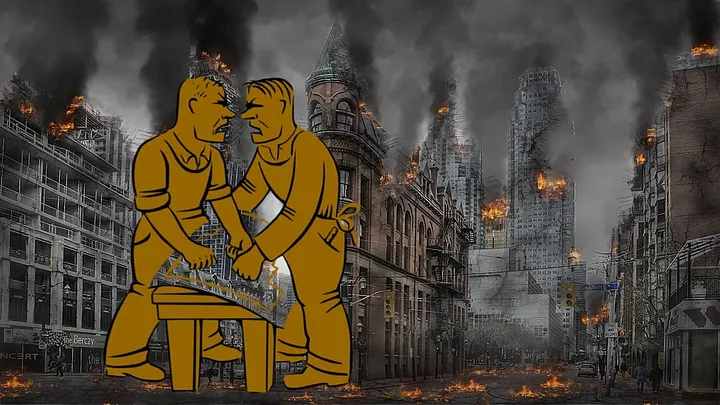
A hostile critic isn’t impartial
They complain about our greatest strengths. In real life, when our enemies point out our ‘faults,’ we don’t always need to take it to heart. They don’t have our best interests in mind.
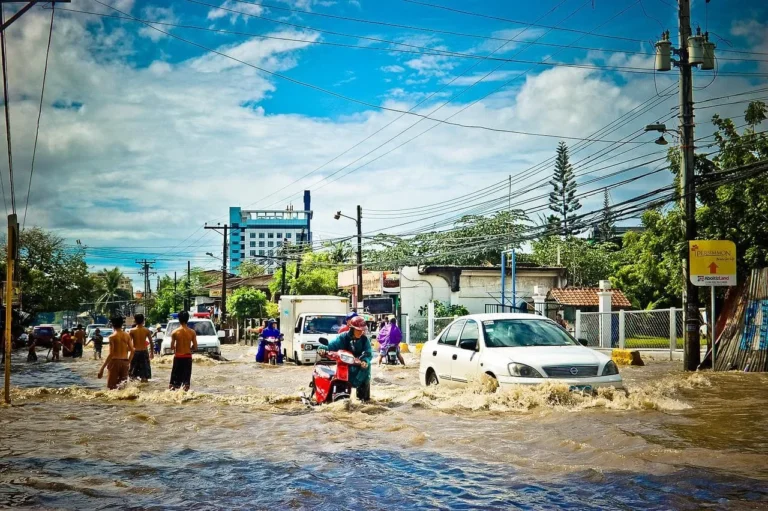
Climate change is expensive, but that’s not the point
Why would we calculate how many dollars the planet’s worth? How many trillion dollars? Does it matter? Climate change is very, very expensive. It will make us reassess what it means for something to be expensive.

I’m not debating that
But what’s this article doing, then? If cheese-breads are puffy, why are nut-breads less puffy? No one is asking what bakers are up to! Might be a conspiracy. Maybe nut-breads should be banned.

You won’t be afraid of that book anymore
You’ll feel better when you acknowledge your own reactions. Some people don’t want us to think and feel for ourselves, because doing so is part of what it means to be, and they want us to be afraid.
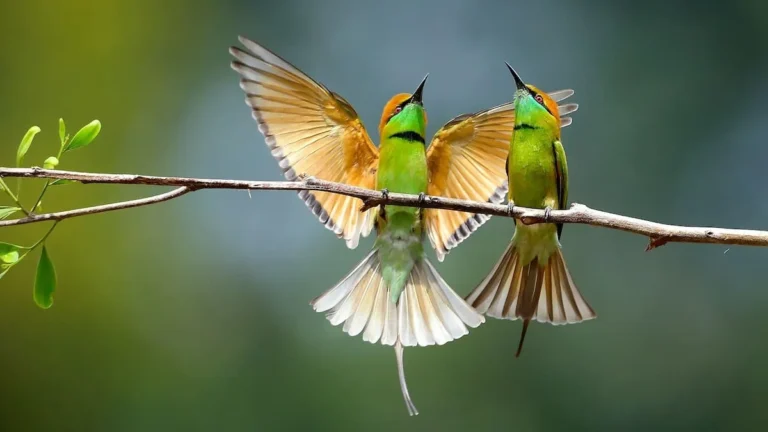
Green Birds Are Birds
But green is a color. It’s a concept, not a thing you can point to — unless you find a thing or a living being that is green. A bird is a living being you might encounter in the air. You can see it in the world. Birds who are green are green and also birds. They’re green birds.
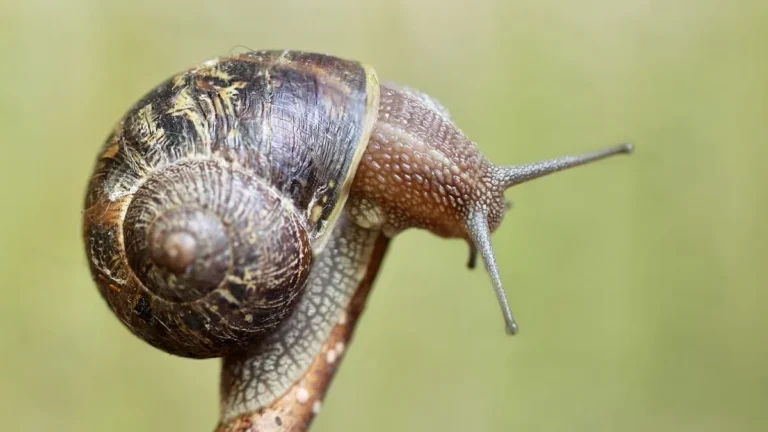
The living cathedral of knowledge
Secreting a shell. The cathedral is partly mine. Or is it a living snail, creeping ahead of me, of which I had lost sight, with which I am at this moment catching up?

How Many Anti-Trans Laws Were Proposed Last Week?
We need to pay attention to all 50 U.S. states—as well as all countries—but doing all that in the same article makes for challenging storytelling and storylistening. Reed’s article yesterday highlighted five U.S. states, so I’ll go with her approach.