A surgeon for WWI and WWII vets also helped a trans man
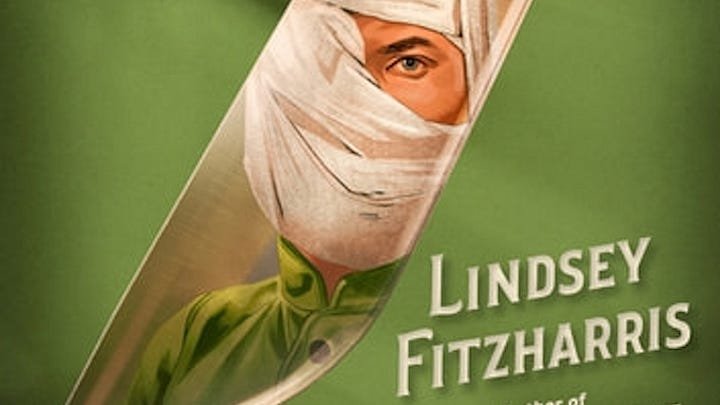
The Facemaker by Lindsey Fitzharris. Harold Gillies “never shied away from a surgical challenge ,” Fitzharris writes. Gillies agreed to perform phalloplasty for a trans man in the late 1940s.
Trans kids are found in history, too
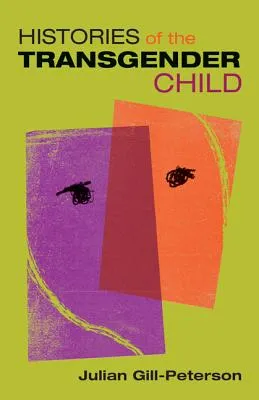
Histories of the Transgender Child by Jules Gill-Peterson. Adults should acknowledge that ‘trans childhood is a happy and desired form .’ It’s not a new phenomenon. It’s ‘richly, beautifully historical.’
Did lady pirates button their shirts?
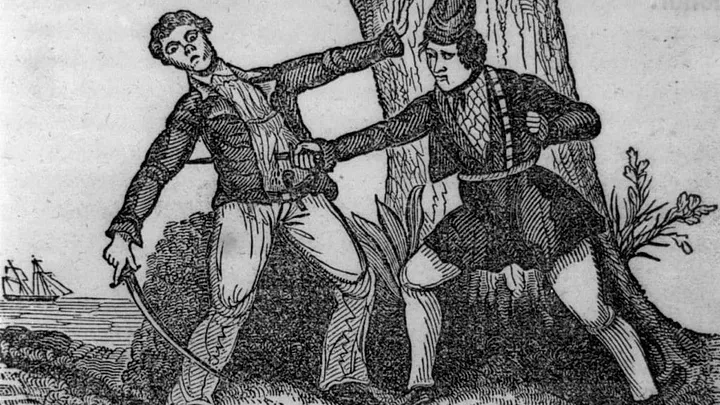
Yes. Art you may have seen to the contrary wasn’t realistic. Just because you’ve seen a naked image of a trans person doesn’t mean trans people walk around naked. Pirates too were motivated to button their shirts.

Climate change is expensive, but that’s not the point
Why would we calculate how many dollars the planet’s worth? How many trillion dollars? Does it matter? Climate change is very, very expensive. It will make us reassess what it means for something to be expensive.

I’m not debating that
But what’s this article doing, then? If cheese-breads are puffy, why are nut-breads less puffy? No one is asking what bakers are up to! Might be a conspiracy. Maybe nut-breads should be banned.

You won’t be afraid of that book anymore
You’ll feel better when you acknowledge your own reactions. Some people don’t want us to think and feel for ourselves, because doing so is part of what it means to be, and they want us to be afraid.

Green Birds Are Birds
But green is a color. It’s a concept, not a thing you can point to — unless you find a thing or a living being that is green. A bird is a living being you might encounter in the air. You can see it in the world. Birds who are green are green and also birds. They’re green birds.

The living cathedral of knowledge
Secreting a shell. The cathedral is partly mine. Or is it a living snail, creeping ahead of me, of which I had lost sight, with which I am at this moment catching up?

How Many Anti-Trans Laws Were Proposed Last Week?
We need to pay attention to all 50 U.S. states—as well as all countries—but doing all that in the same article makes for challenging storytelling and storylistening. Reed’s article yesterday highlighted five U.S. states, so I’ll go with her approach.