
What we can learn about Helen Joyce in two sentences
That second paragraph on the book jacket of ‘Trans’. Whose feelings matter? It’s a premise of Helen Joyce’s book ‘Trans’ that cisgender people’s feelings matter the most. It’s right there on the book jacket.
On the 3rd anniversary of J.K. Rowling’s pledge for trans rights
She ‘would’ have marched with us, but when? Her supporters insist she can’t be transphobic, citing her tweet: ‘I’d march with you…’ Well, her tweet is three years old today. She hasn’t marched.
I’m disappointed in the ‘Witch Trials’
J.K. Rowling’s image-polishing podcast doesn’t grapple with the real problem. When someone accuses Rowling of transphobia, her team’s refrain is: When has she ever been transphobic? At this point, I hear it as a running joke.

3 Strategies to Fight Transphobia
Last October, a long essay was published in Volcánicas, over 30,000 words, arguably a book: “El terfismo en América Latina: un borrado histórico de las personas trans / Reportaje completo.” The reporters are Katia Rejón and Arlen Molina, and the analysis is by Katia Rejón, Matilde de los Milagros, and Catalina Ruiz-Navarro.
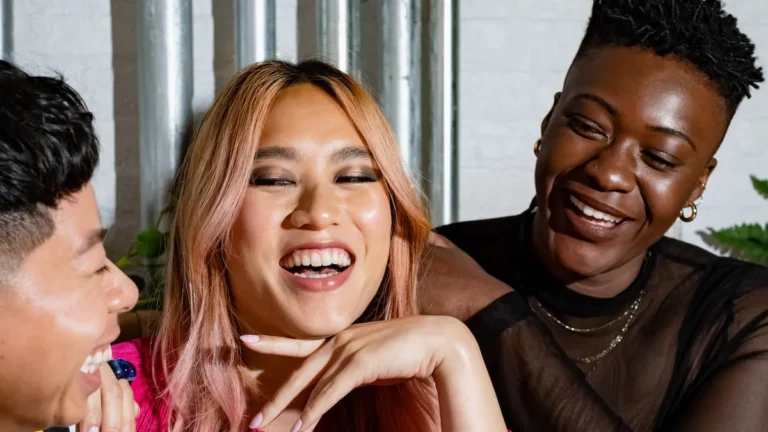
Gay and trans freedom is everyone’s freedom
Be who you are, choose your path, and let’s do it together. A big reason to support LGBTQ rights. We don’t have to continue our role in a bad situation. We can speak up and ask for help getting free. May we all be happier because we are here together.

Let’s make hope
Some people do not like the word “hope.” It is often an empty word. It is used in greeting cards. But hope, just as often, has deeper meanings. I am not attached to the word “hope,” but it is a common word for certain concepts that are important.

Read this chapter in the January 6 Committee’s report
Everyone should read the final report of the U.S. House Select Committee to Investigate the January 6th Attack. The committee interviewed a thousand witnesses and crunched a million documents to reach its conclusions, so this is valuable information.

What we fear from the ‘Invasion of the Body Snatchers’
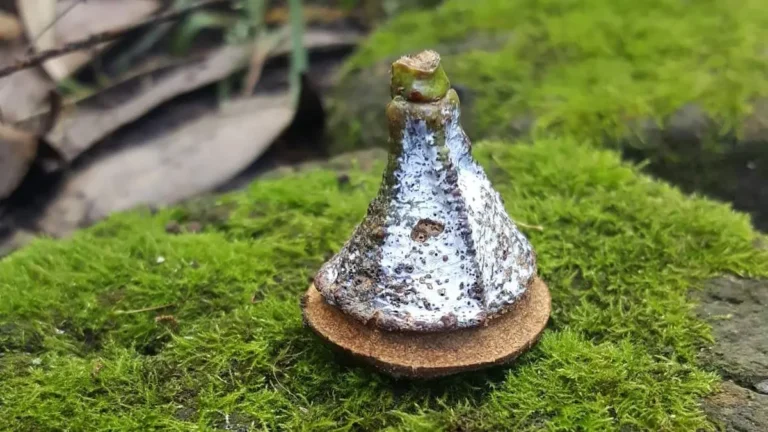
In Finney’s 1954 novel The Body Snatchers, alien seed pods fall to earth and sprout plants that quickly mature. While a human is asleep, the plant produces an emotionless clone of the human body and then destroys the original body.
Transforming into ourselves: Identity and climate
Discovering who we’ve always been and who we must become, collectively. We don’t have to live according to a prescribed model of sexuality or gender. We don’t have to burn fossil fuels either. Everything could be different.