
Three books that tell us to smash our categories
Recommended nonfiction by Miller, Fox, and Waters. Nonfiction recommendations: A 2020 book about David Starr Jordan, a 2023 book about William Beebe, and a 2024 book about Avery Brundage.

The indispensable history of ‘sex testing’ in sports
Waters keeps the book focused on the 1930s, with the history told in such a way that it’s crystal clear how it’s relevant today. The moral panic over trans people in sports continues not to be about sports.
As Berlin held the 1936 Olympics, these athletes changed their sex
Assigned female at birth, some went on to live as men. Eugenicists, sexists, racists, and fascists held power. Possibilities were disrupted when the Nazis rose. And the 1936 Olympics belonged to Hitler.

Climate change, predicted (three decades ago)
Returning to an environmental classic: ‘The Ages of Gaia’ by James Lovelock. We don’t yet know what it will be like when the forests are gone. But we should live in a way that prevents this outcome. We must support our own survival.
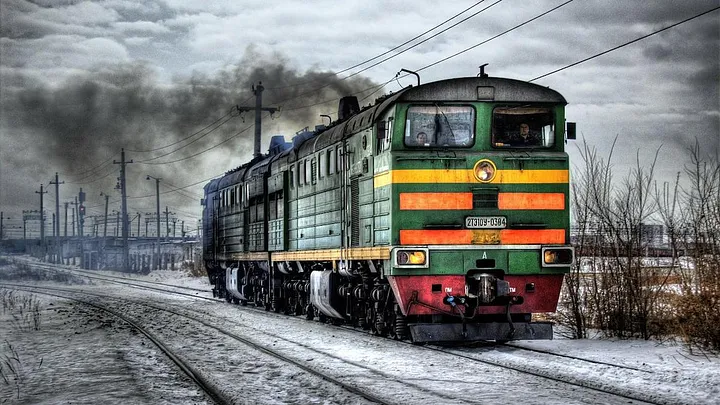
The Industrial Revolution: All of it has to change again
Trains represent where we’ve been & where we‘ll go next. Steel, aluminum, concrete; fossil fuels; electric light; transportation, communication, refrigeration, medicine. Do we know what we have to change?
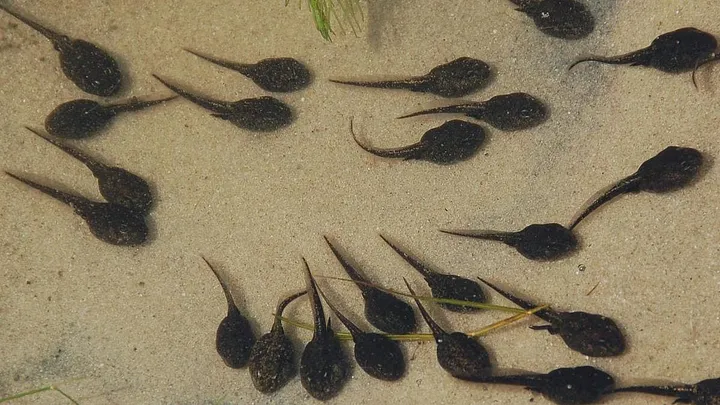
Tadpoles teach us in Kern’s ‘Real Sugar’
Stories for those who feel ‘fragile about frogs’. We can grieve “all the frogs that aren’t.” Some of our stories going forward, though, have to be about the frogs that are. Which will those be?

How we’re here now: Poems of California
Poems in ‘Rift Zone’ and ‘Last West’. We know in our bones what being is. Because we are. ‘To be’ is to exist in a place, to grow, to break off, to feel how this ties us to past and future.

We know who’s responsible for orange sky
We need to hold them accountable. It’s Exx-smog and Shell-smoke. The big orange cats must be held accountable, and there’s more than one. Each of us has a role to play.

Designing a town people can get around? Repeat this exercise.
Anna Zivarts reminds us how we can take an hour to try harder. Sometimes we lack empathy for each other’s transportation needs and preferences. We have no idea because we haven’t stopped to try.