
Transphobia, the Interrupting Cow
Prejudice obstructs continuous and coherent thought. Transphobia upholds gender-conformist and authoritarian aspects of culture. It tries to link itself to important feelings, but it isn’t sincere.

Bathroom bills are intended to suppress trans life
They will require little or no proof. If the intent behind the law is to take you away, they don’t care about proof. They don’t care how you’re trans. They don’t care that you’re harming no one.

WDI co-author doesn’t support dressing however you like
In which Sheila Jeffreys says you can’t really wear what you like & there might be nothing wrong with being a transphobe. Jeffreys doesn’t believe people have the right to be trans. She thinks the reason to avoid a self-descriptor like “transphobic” is that it’s a naughty word.

Climate change, predicted (three decades ago)
Returning to an environmental classic: ‘The Ages of Gaia’ by James Lovelock. We don’t yet know what it will be like when the forests are gone. But we should live in a way that prevents this outcome. We must support our own survival.
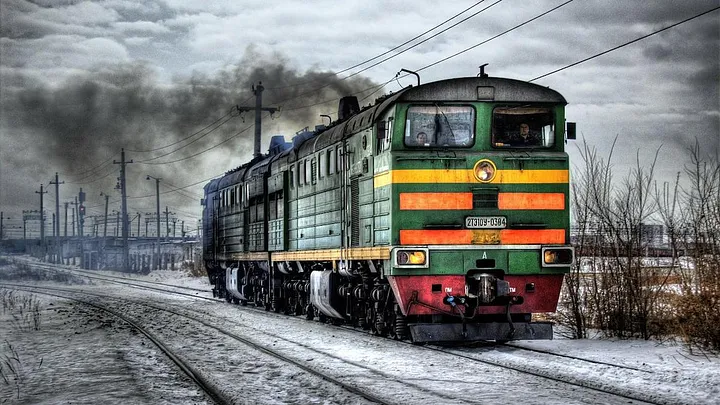
The Industrial Revolution: All of it has to change again
Trains represent where we’ve been & where we‘ll go next. Steel, aluminum, concrete; fossil fuels; electric light; transportation, communication, refrigeration, medicine. Do we know what we have to change?
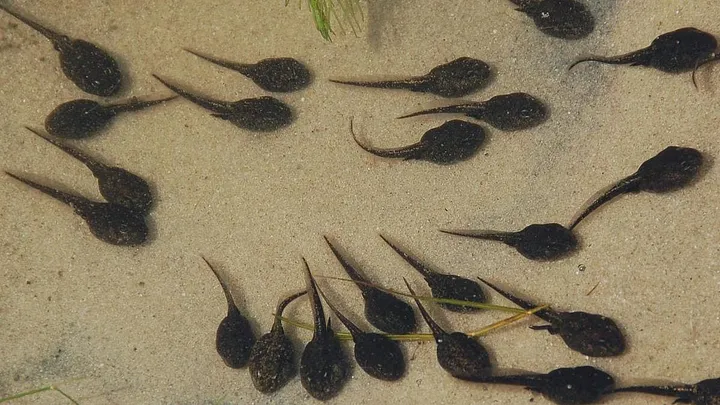
Tadpoles teach us in Kern’s ‘Real Sugar’
Stories for those who feel ‘fragile about frogs’. We can grieve “all the frogs that aren’t.” Some of our stories going forward, though, have to be about the frogs that are. Which will those be?

How we’re here now: Poems of California
Poems in ‘Rift Zone’ and ‘Last West’. We know in our bones what being is. Because we are. ‘To be’ is to exist in a place, to grow, to break off, to feel how this ties us to past and future.

We know who’s responsible for orange sky
We need to hold them accountable. It’s Exx-smog and Shell-smoke. The big orange cats must be held accountable, and there’s more than one. Each of us has a role to play.

Designing a town people can get around? Repeat this exercise.
Anna Zivarts reminds us how we can take an hour to try harder. Sometimes we lack empathy for each other’s transportation needs and preferences. We have no idea because we haven’t stopped to try.