

Read this chapter in the January 6 Committee’s report
Everyone should read the final report of the U.S. House Select Committee to Investigate the January 6th Attack. The committee interviewed a thousand witnesses and crunched a million documents to reach its conclusions, so this is valuable information.

What we fear from the ‘Invasion of the Body Snatchers’
In Finney’s 1954 novel The Body Snatchers, alien seed pods fall to earth and sprout plants that quickly mature. While a human is asleep, the plant produces an emotionless clone of the human body and then destroys the original body.

Transforming into ourselves: Identity and climate
Discovering who we’ve always been and who we must become, collectively. We don’t have to live according to a prescribed model of sexuality or gender. We don’t have to burn fossil fuels either. Everything could be different.

Climate change, predicted (three decades ago)
Returning to an environmental classic: ‘The Ages of Gaia’ by James Lovelock. We don’t yet know what it will be like when the forests are gone. But we should live in a way that prevents this outcome. We must support our own survival.
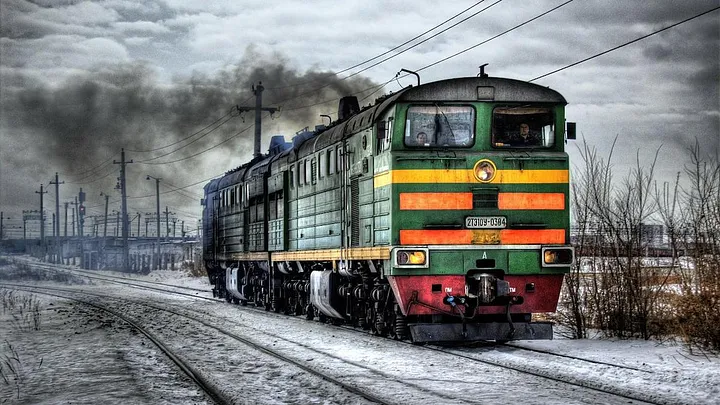
The Industrial Revolution: All of it has to change again
Trains represent where we’ve been & where we‘ll go next. Steel, aluminum, concrete; fossil fuels; electric light; transportation, communication, refrigeration, medicine. Do we know what we have to change?
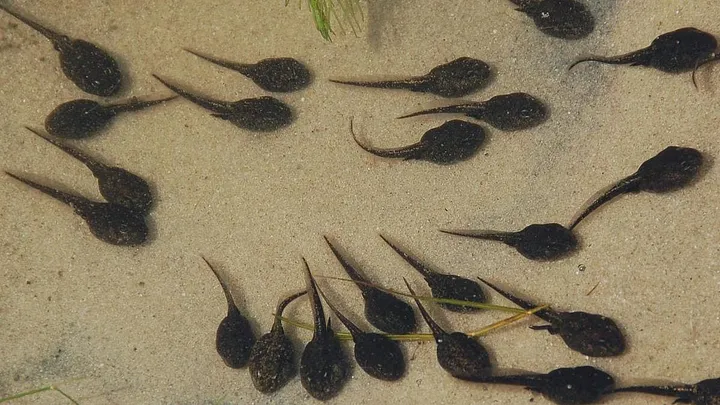
Tadpoles teach us in Kern’s ‘Real Sugar’
Stories for those who feel ‘fragile about frogs’. We can grieve “all the frogs that aren’t.” Some of our stories going forward, though, have to be about the frogs that are. Which will those be?

How we’re here now: Poems of California
Poems in ‘Rift Zone’ and ‘Last West’. We know in our bones what being is. Because we are. ‘To be’ is to exist in a place, to grow, to break off, to feel how this ties us to past and future.

We know who’s responsible for orange sky
We need to hold them accountable. It’s Exx-smog and Shell-smoke. The big orange cats must be held accountable, and there’s more than one. Each of us has a role to play.

Designing a town people can get around? Repeat this exercise.
Anna Zivarts reminds us how we can take an hour to try harder. Sometimes we lack empathy for each other’s transportation needs and preferences. We have no idea because we haven’t stopped to try.