
‘Black Hole Science’ experiments to stay warm after snow
My second entry for the 2026 Trans Rights Readathon. A college course that excited me was on religious themes in literature. My favorite part of ‘Black Hole Science’ is called ‘Lives of the Saints.’

Thank you for the strange fiction of ‘Rainbear!!!!!!!!!’
My first entry for the 2026 Trans Rights Readathon. Living past hope, everything matters and nothing matters. This doesn’t make sense, so it’s tough to resolve it. But this book drills into it.

Avoid amplifying lies, using the ‘fact-warn-explain-fact’ pattern
Dream and achieve. Not ‘dreams and lasagna’! Dream and achieve. The sign says sueña y logra: “dream and achieve”. Not “dreams and lasagna”. Speak the truth, then explain the misunderstanding. It’ll stick better.
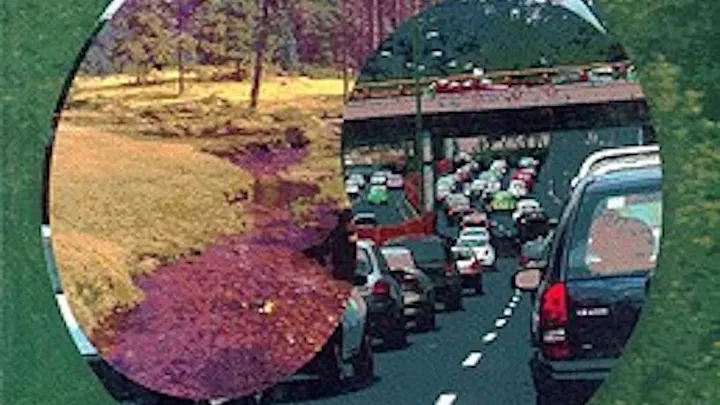
Earthpocalypse isn’t a ‘marginal’ cost (despite what economists say)
A couple observations from ‘El Planeta, Nuestro Cuerpo’. There aren’t ‘better’ ways to buy and sell nature, and GDP can measure poverty as much as profit. The absurdity reveals itself. Let’s choose more wisely.
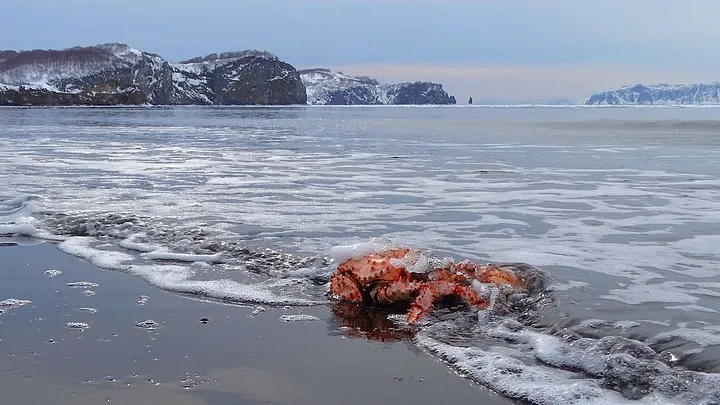
One billion crabs have had it
Alaska’s snow crabs said: ‘You can’t fire me because I quit’. What happens to animals involves plants, bacteria, landscapes, water, air. Everything is connected. How do the snow crabs feel? When can we ask them?

‘Atlas of a Changing Climate’ shows warming in images
Fundamentals and details explained in Brian Buma’s 2021 book. ‘The Atlas of a Changing Climate’ explains the science in a “relatable and understandable” way, admitting that readers may react with “wonder” or “despair.”
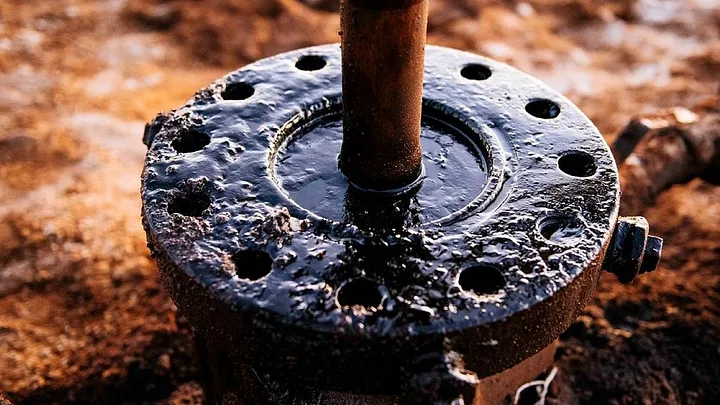
War may change how we rely on big oil
Energy companies’ reactions to Russia’s war on Ukraine. Often, a catastrophe forces a business to change by hitting it in its wallet. This is an ethical crisis too. Businesses have to change. Today.

What we can’t conquer, we destroy and deny
A mindset that rejects wilderness will also reject people. Wilderness is the unknown. Much in the human is unknown too. A mindset that rejects wilderness will also reject humans who don’t fit social norms.
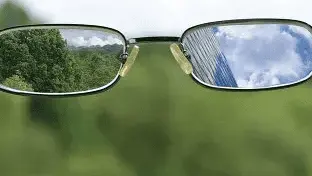
Talking to climate skeptics
Reflecting on ‘How Culture Shapes the Climate Change Debate’ (2015). Most USAmericans are scientifically illiterate. It’s not that they don’t memorize scientific facts; they don’t even know how scientific reasoning works.