
Why we’re so bad at solving long-term problems
‘The Optimist’s Telescope’ by Bina Venkataraman. It’s hard to ditch our loyalties and biases. It’s hard to stop focusing on past and present and to ponder what legacy we’re leaving for the distant future.

Life on Earth: What has been, what will be
Climate change forces us to find life beyond our assumptions. We can’t stop all the major tipping points that are coming. We may be able to adapt to some. We have to try. We won’t be what we thought we were.

I’m trans, and I did not consent for this to be done to my body
Why is it happening? How can we make it stop? Pirates ate most of the Galapagos tortoises, and some of those species went extinct, and of one called “Fantastic,” there’s only one tortoise left.
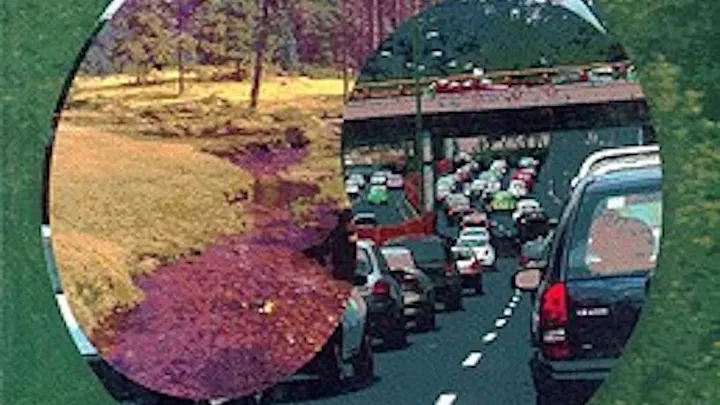
Earthpocalypse isn’t a ‘marginal’ cost (despite what economists say)
A couple observations from ‘El Planeta, Nuestro Cuerpo’. There aren’t ‘better’ ways to buy and sell nature, and GDP can measure poverty as much as profit. The absurdity reveals itself. Let’s choose more wisely.
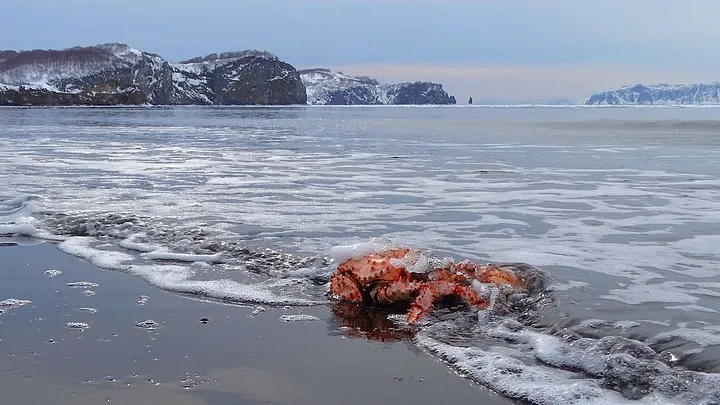
One billion crabs have had it
Alaska’s snow crabs said: ‘You can’t fire me because I quit’. What happens to animals involves plants, bacteria, landscapes, water, air. Everything is connected. How do the snow crabs feel? When can we ask them?

‘Atlas of a Changing Climate’ shows warming in images
Fundamentals and details explained in Brian Buma’s 2021 book. ‘The Atlas of a Changing Climate’ explains the science in a “relatable and understandable” way, admitting that readers may react with “wonder” or “despair.”
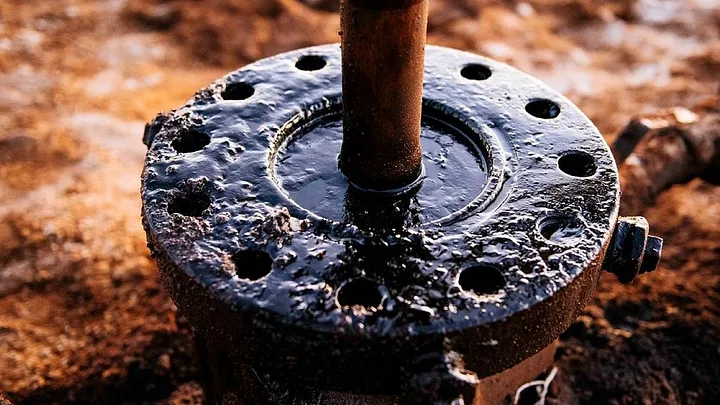
War may change how we rely on big oil
Energy companies’ reactions to Russia’s war on Ukraine. Often, a catastrophe forces a business to change by hitting it in its wallet. This is an ethical crisis too. Businesses have to change. Today.

What we can’t conquer, we destroy and deny
A mindset that rejects wilderness will also reject people. Wilderness is the unknown. Much in the human is unknown too. A mindset that rejects wilderness will also reject humans who don’t fit social norms.
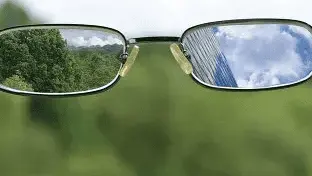
Talking to climate skeptics
Reflecting on ‘How Culture Shapes the Climate Change Debate’ (2015). Most USAmericans are scientifically illiterate. It’s not that they don’t memorize scientific facts; they don’t even know how scientific reasoning works.