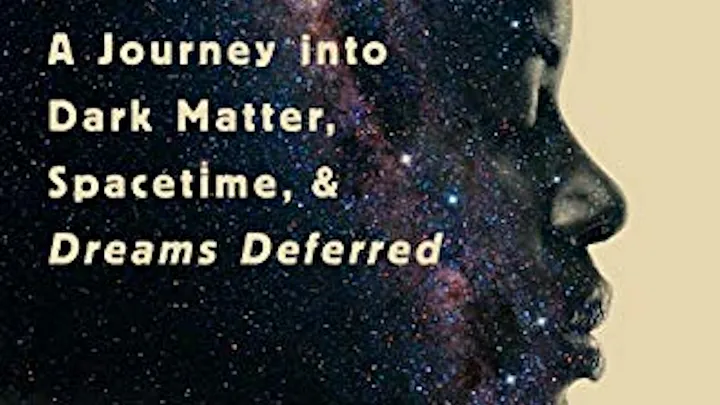
3 things I learned from ‘The Disordered Cosmos’
Dr. Chanda Prescod-Weinstein’s 2021 book on physics and identity. Dr. Chanda Prescod-Weinstein shares meta-insights about how science and society can prevent us from asking questions and obtaining insights. Who’s included?
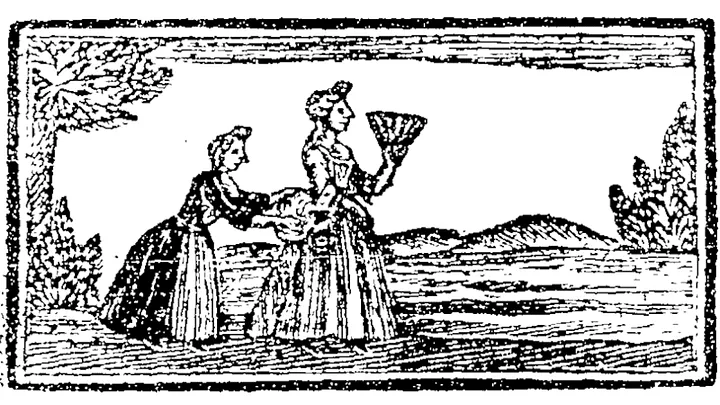
Does Moll Flanders know whether her mother is cheerful?
The Gettier problem in Daniel Defoe’s novel. Moll’s justified true belief (“My mother was a mighty cheerful, good-humoured old woman”) wasn’t knowledge. The novelist put an irony there.
Toward a better epistemology: Why do we care about what we know?
A reaction to the ‘Gettier problem’. Maybe there isn’t just one definition of knowledge. Maybe every type of knowledge is related in a “family resemblance.” Some are propositions. Some aren’t.
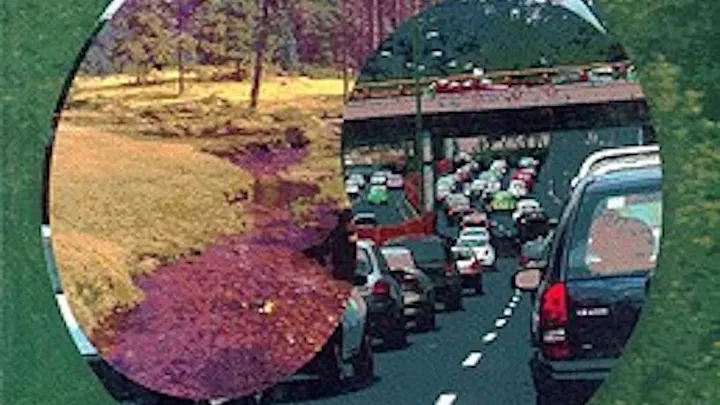
Earthpocalypse isn’t a ‘marginal’ cost (despite what economists say)
A couple observations from ‘El Planeta, Nuestro Cuerpo’. There aren’t ‘better’ ways to buy and sell nature, and GDP can measure poverty as much as profit. The absurdity reveals itself. Let’s choose more wisely.
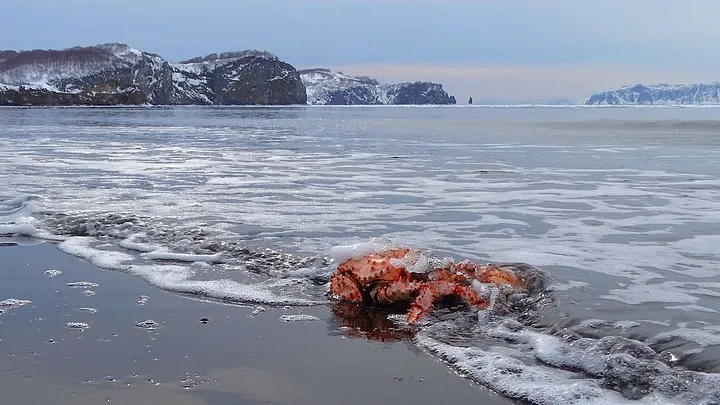
One billion crabs have had it
Alaska’s snow crabs said: ‘You can’t fire me because I quit’. What happens to animals involves plants, bacteria, landscapes, water, air. Everything is connected. How do the snow crabs feel? When can we ask them?

‘Atlas of a Changing Climate’ shows warming in images
Fundamentals and details explained in Brian Buma’s 2021 book. ‘The Atlas of a Changing Climate’ explains the science in a “relatable and understandable” way, admitting that readers may react with “wonder” or “despair.”
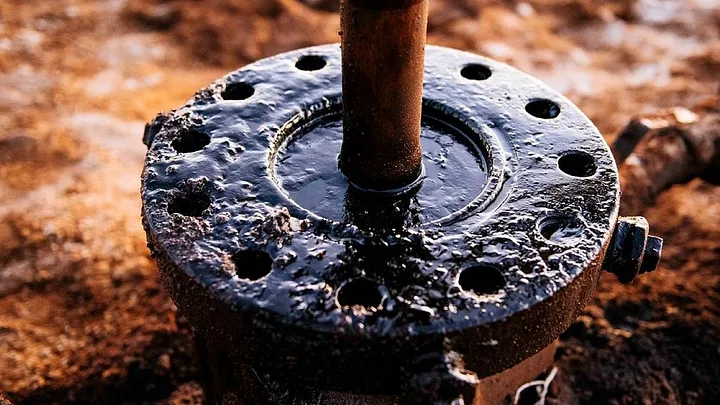
War may change how we rely on big oil
Energy companies’ reactions to Russia’s war on Ukraine. Often, a catastrophe forces a business to change by hitting it in its wallet. This is an ethical crisis too. Businesses have to change. Today.

What we can’t conquer, we destroy and deny
A mindset that rejects wilderness will also reject people. Wilderness is the unknown. Much in the human is unknown too. A mindset that rejects wilderness will also reject humans who don’t fit social norms.
Talking to climate skeptics
Reflecting on ‘How Culture Shapes the Climate Change Debate’ (2015). Most USAmericans are scientifically illiterate. It’s not that they don’t memorize scientific facts; they don’t even know how scientific reasoning works.