A story worth telling: The world we will build
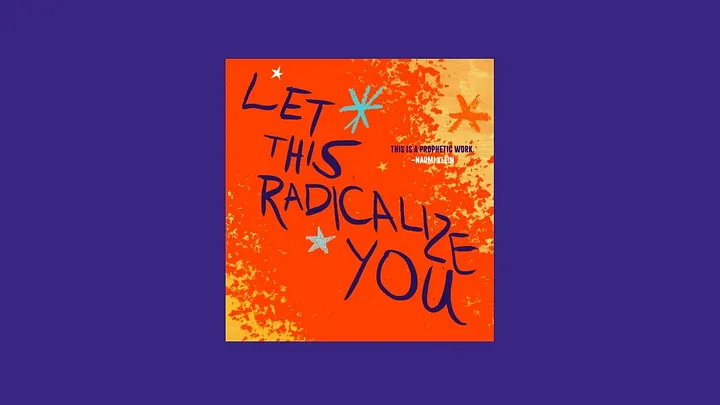
‘Let This Radicalize You’ asks us to tell stories about how we’ll support each other. Tell a story about how people support each other. People who are listening want to feel they can find a personal role to play. It’s worth doing.
5 ways philosophy fails (sometimes)
Too much time looking down, forgetting to come up for air. I do philosophy. I must accept there’s no one true answer. I must care, help others care, be practical, keep going. I’ll fail often. I hope for small wins.

We wait for the writer to finish the story
Patiently waiting for that person to return. We find ourselves talking too much. Sick of the sound of our own voice. Self-consciousness restricts creativity. Better to write nothing at all?

If you’re told your position is harmful
Someone’s mad at your car. Did you almost run them over? I can pause and apologize. I care about others. I recognize that their perspectives are valid and their observations about my behavior might be correct.

I just want to select NO
The worst YES/NO interface design I’ve seen. We can create a nonviolent culture with the first questions we ask, being willing to hear an answer that’s polarized or ambivalent, loud or quiet.
Why someone complained about the review you posted to Goodreads
Their reason wasn’t as complicated as they made it sound. They say it’s too short. Or too long. What are they really complaining about? What don’t they like about your review?

If you don’t know if it’s a joke or a lie, what’s it called?
There is a word. When they issue statements halfway between jokes and lies, and they joke about it being a lie and lie about it being a joke, there’s a word for that.

Atheist-theist encounters
If you’re pretty sure there’s no god, when may you tell theists they’re wrong? Sometimes knowledge is best cultivated through personal encounters rather than intellectual demands. We see each other, and we’ll also know the world.
Moral analysis of what is ‘at stake in this story’
Naomi Kanakia on discussing novels. How to discuss a book itself and also let our learning transcend the book? To see the book as art, and to see it as a tool for our growth?