
Two things ‘cancel culture’ refers to
On ‘speaking first’ and the meaning of ‘engagement’. You can decline to “engage” online. Think quietly somewhere else. That’s not “cancel culture.” Rewarding someone for being wrong serves no one’s interests.

High school debate judges have their own opinions
They want an inclusive, non-hostile environment. Oppression can be systemic. We know our own experiences. These are obvious facts. How can we pretend not to know them when we make any judgment whatsoever?
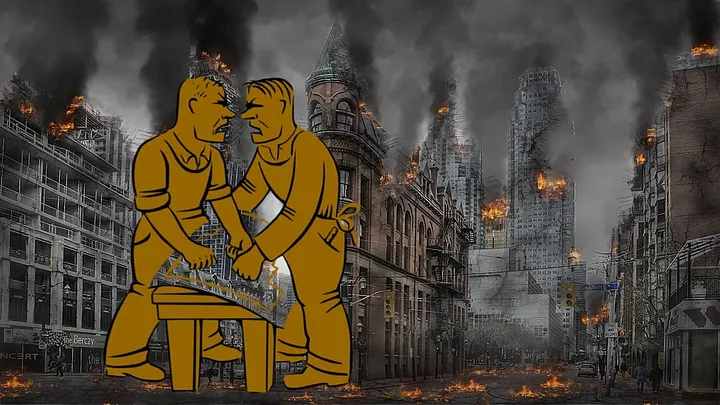
A hostile critic isn’t impartial
They complain about our greatest strengths. In real life, when our enemies point out our ‘faults,’ we don’t always need to take it to heart. They don’t have our best interests in mind.

If you’re told your position is harmful
Someone’s mad at your car. Did you almost run them over? I can pause and apologize. I care about others. I recognize that their perspectives are valid and their observations about my behavior might be correct.

I just want to select NO
The worst YES/NO interface design I’ve seen. We can create a nonviolent culture with the first questions we ask, being willing to hear an answer that’s polarized or ambivalent, loud or quiet.
Why someone complained about the review you posted to Goodreads
Their reason wasn’t as complicated as they made it sound. They say it’s too short. Or too long. What are they really complaining about? What don’t they like about your review?

If you don’t know if it’s a joke or a lie, what’s it called?
There is a word. When they issue statements halfway between jokes and lies, and they joke about it being a lie and lie about it being a joke, there’s a word for that.
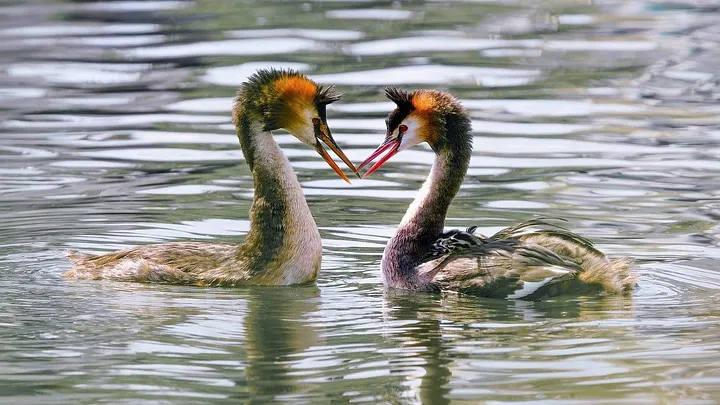
Atheist-theist encounters
If you’re pretty sure there’s no god, when may you tell theists they’re wrong? Sometimes knowledge is best cultivated through personal encounters rather than intellectual demands. We see each other, and we’ll also know the world.
Moral analysis of what is ‘at stake in this story’
Naomi Kanakia on discussing novels. How to discuss a book itself and also let our learning transcend the book? To see the book as art, and to see it as a tool for our growth?