
Climate change, predicted (three decades ago)
Returning to an environmental classic: ‘The Ages of Gaia’ by James Lovelock. We don’t yet know what it will be like when the forests are gone. But we should live in a way that prevents this outcome. We must support our own survival.
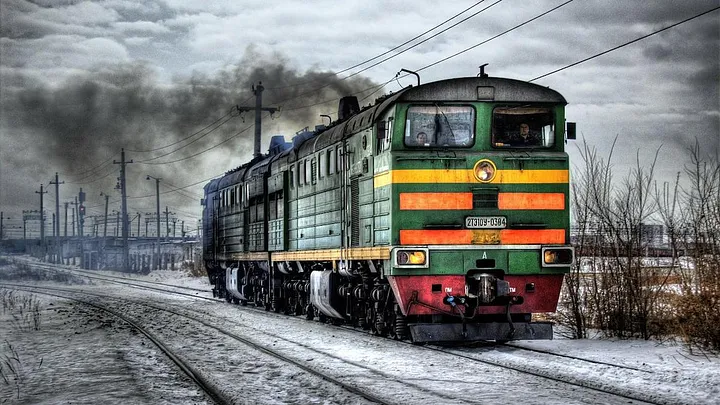
The Industrial Revolution: All of it has to change again
Trains represent where we’ve been & where we‘ll go next. Steel, aluminum, concrete; fossil fuels; electric light; transportation, communication, refrigeration, medicine. Do we know what we have to change?
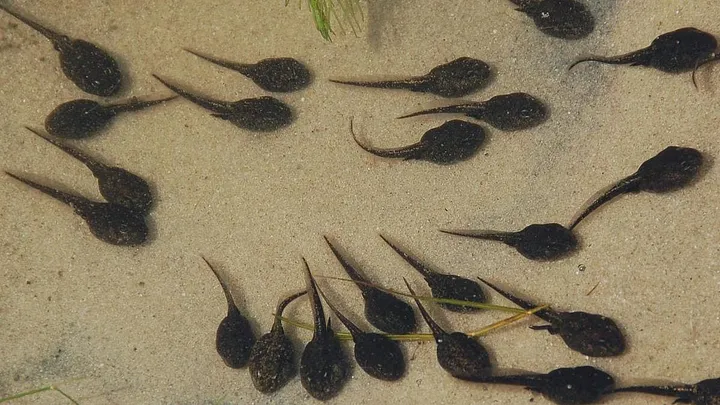
Tadpoles teach us in Kern’s ‘Real Sugar’
Stories for those who feel ‘fragile about frogs’. We can grieve “all the frogs that aren’t.” Some of our stories going forward, though, have to be about the frogs that are. Which will those be?
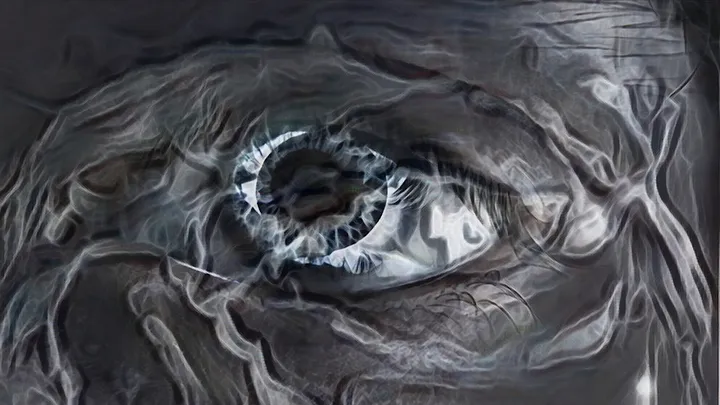
The feeling of knowing
Steven Connor’s 2019 book ‘The Madness of Knowledge’. ‘Epistemopathy’ means the feeling of knowing. We have pleasant and unpleasant feelings associated with knowing. That’s part of why knowledge matters to us.
Turtles all the way down
Finding truth in emptiness. When we acknowledge there is no final turtle, we open ourselves to discover and live more. The turtle on which we are standing is never the last one.
We can’t prepare for this moment
‘Opening to Darkness’ by Zenju Earthlyn Manuel. What to make of this political and ecological moment, this chaos that arrives with no instructions? We can “see, collectively, in the dark.”
‘Do I want it? Life, that is.’
‘On Not Knowing‘ by Emily Ogden. What is there to hope for? Should we hope? We can work in the field, making bales of hay, but the work of the soul “never will be cut and dried.”

‘Agnotology’: The study of ignorance
Our ways of knowing can be corrupted. “We’re going to have to rethink our metaphors,” Proctor said, on persuading people away from science-denial. “We’ve got to think much more creatively.”

We knew it before we were quizzed
That truth remains valuable. We existed. We went to school and forgot ourselves for a while. Then we remembered who we are. We had this knowledge with us the whole time.