If you don’t know if it’s a joke or a lie, what’s it called?
There is a word. When they issue statements halfway between jokes and lies, and they joke about it being a lie and lie about it being a joke, there’s a word for that.
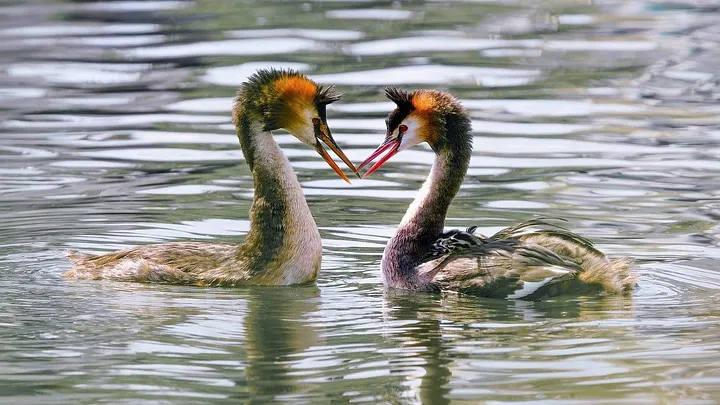
Atheist-theist encounters
If you’re pretty sure there’s no god, when may you tell theists they’re wrong? Sometimes knowledge is best cultivated through personal encounters rather than intellectual demands. We see each other, and we’ll also know the world.
Moral analysis of what is ‘at stake in this story’
Naomi Kanakia on discussing novels. How to discuss a book itself and also let our learning transcend the book? To see the book as art, and to see it as a tool for our growth?
The feeling of knowing
Steven Connor’s 2019 book ‘The Madness of Knowledge’. ‘Epistemopathy’ means the feeling of knowing. We have pleasant and unpleasant feelings associated with knowing. That’s part of why knowledge matters to us.
Turtles all the way down
Finding truth in emptiness. When we acknowledge there is no final turtle, we open ourselves to discover and live more. The turtle on which we are standing is never the last one.
We can’t prepare for this moment
‘Opening to Darkness’ by Zenju Earthlyn Manuel. What to make of this political and ecological moment, this chaos that arrives with no instructions? We can “see, collectively, in the dark.”
‘Do I want it? Life, that is.’
‘On Not Knowing‘ by Emily Ogden. What is there to hope for? Should we hope? We can work in the field, making bales of hay, but the work of the soul “never will be cut and dried.”
‘Agnotology’: The study of ignorance
Our ways of knowing can be corrupted. “We’re going to have to rethink our metaphors,” Proctor said, on persuading people away from science-denial. “We’ve got to think much more creatively.”
We knew it before we were quizzed
That truth remains valuable. We existed. We went to school and forgot ourselves for a while. Then we remembered who we are. We had this knowledge with us the whole time.