
What transphobia sounded like in 2010
‘How Evil Works’ (2010) by the editor of WorldNetDaily. In discussing racism, antisemitism, sexism, homophobia, and transphobia, the author of course purports not to perpetuate them, but he very much does.

Classic transphobia — since 1981
Classic anti-trans arguments in ‘The Spiral Path’ by David Fernbach. Trans people have genders, but we don’t uphold, benefit from, or depend on the gender system any more than cis people do. That’s transphobic disinformation.

Ironic fiction doesn’t tell you who trans people really are
It’s rough entering Grace and Rubie’s restaurant. Good thing it’s fiction. Janice Raymond brought up this fictional story in her 1979 book to describe what trans women are really like. That’s not analysis. It’s disinformation.

10 ways trans people are told we shouldn’t exist
Here’s why transphobia sounds like an eradication campaign. If someone were denying your gender, would you understand them as literally telling you to stop having your gender? Comply, and everything will be OK?

Do we shine a light into the dark ages…
…or does it illuminate what we know of ourselves? Gabriele and Perry’s ‘Bright Ages’. We might see a time that isn’t “isolated, savage, primitive,” but “messy and human.” Studying medieval Europe can teach us more about ourselves.
What do we talk about when we talk about vaccines?
The 2014 book ‘On Immunity’ by Eula Biss. ‘On Immunity’ reflects on the human immune system and on vaccination. There are broad philosophical implications: balance, safety, interdependence.
3 things I learned from ‘The Disordered Cosmos’
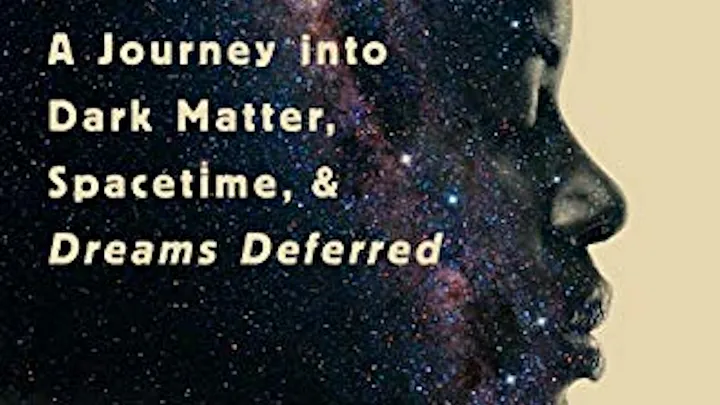
Dr. Chanda Prescod-Weinstein’s 2021 book on physics and identity. Dr. Chanda Prescod-Weinstein shares meta-insights about how science and society can prevent us from asking questions and obtaining insights. Who’s included?
Does Moll Flanders know whether her mother is cheerful?
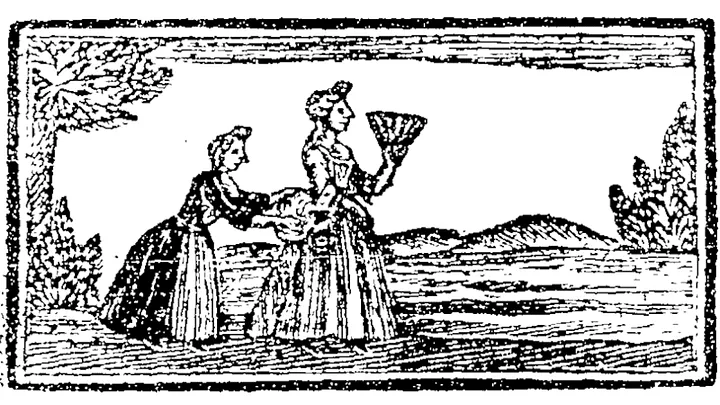
The Gettier problem in Daniel Defoe’s novel. Moll’s justified true belief (“My mother was a mighty cheerful, good-humoured old woman”) wasn’t knowledge. The novelist put an irony there.

Toward a better epistemology: Why do we care about what we know?
A reaction to the ‘Gettier problem’. Maybe there isn’t just one definition of knowledge. Maybe every type of knowledge is related in a “family resemblance.” Some are propositions. Some aren’t.