
‘We are in trouble,’ but not for the reason you think
Douglas Murray defends prejudice in ‘The Madness of Crowds’. If he were inclined to support trans people, he wouldn’t find basic affirmation ‘the hardest part.’ He wouldn’t say we need to argue more.
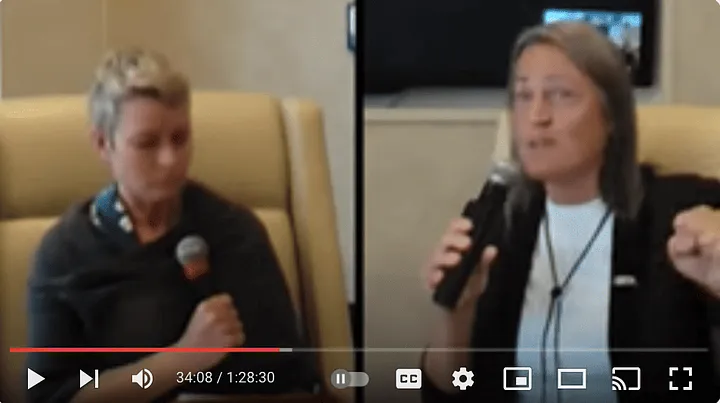
If we have a fundamental moral disagreement, why are we still talking?
Holly Lawford-Smith shows up for the self-appointed ‘heterodoxy’ at Colorado State University. The Heterodox Academy supports ‘gender-critical feminism,’ whose entire purpose is to exclude trans women and misrepresent trans men.

Barnes: ‘Just think why’ some don’t want their marriage to turn gay!
Journalist Hannah Barnes gets in a dig against same-sex marriage. Why does it matter whether one spouse’s gender change happens before or after the couple’s legal split? This anti-trans article is homophobic.

10 ways trans people are told we shouldn’t exist
Here’s why transphobia sounds like an eradication campaign. If someone were denying your gender, would you understand them as literally telling you to stop having your gender? Comply, and everything will be OK?
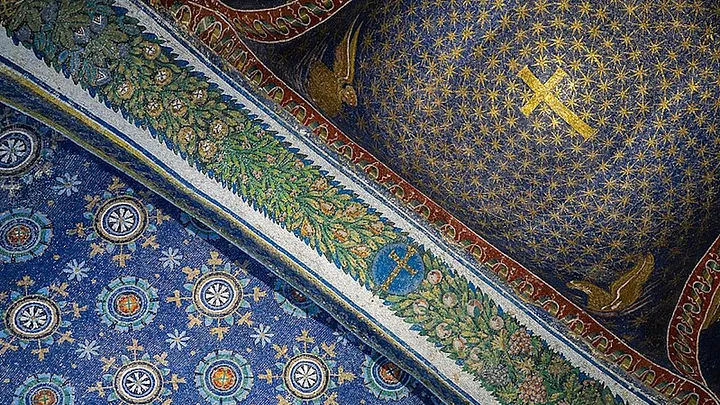
Do we shine a light into the dark ages…
…or does it illuminate what we know of ourselves? Gabriele and Perry’s ‘Bright Ages’. We might see a time that isn’t “isolated, savage, primitive,” but “messy and human.” Studying medieval Europe can teach us more about ourselves.
What do we talk about when we talk about vaccines?
The 2014 book ‘On Immunity’ by Eula Biss. ‘On Immunity’ reflects on the human immune system and on vaccination. There are broad philosophical implications: balance, safety, interdependence.
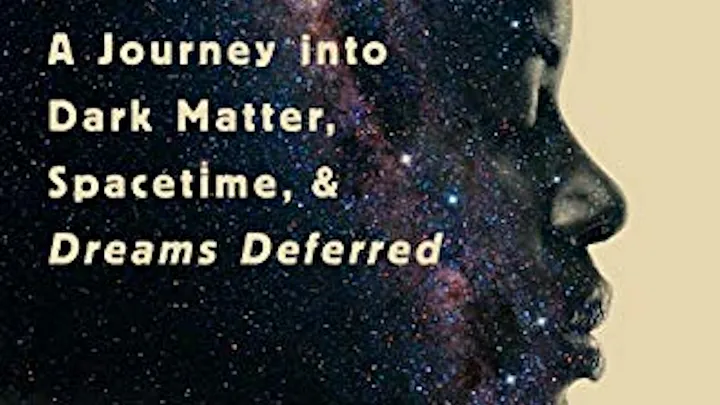
3 things I learned from ‘The Disordered Cosmos’
Dr. Chanda Prescod-Weinstein’s 2021 book on physics and identity. Dr. Chanda Prescod-Weinstein shares meta-insights about how science and society can prevent us from asking questions and obtaining insights. Who’s included?
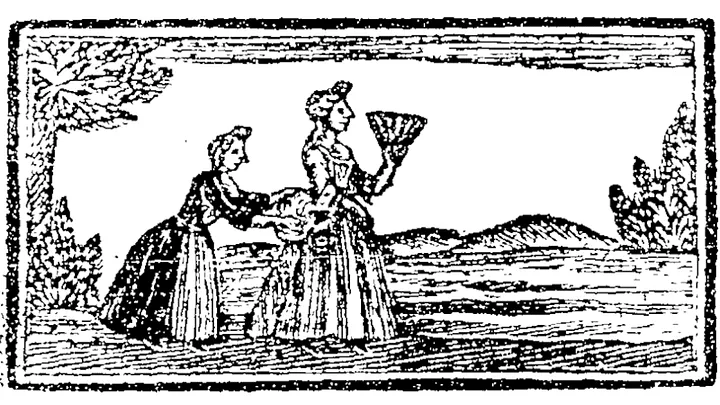
Does Moll Flanders know whether her mother is cheerful?
The Gettier problem in Daniel Defoe’s novel. Moll’s justified true belief (“My mother was a mighty cheerful, good-humoured old woman”) wasn’t knowledge. The novelist put an irony there.

Toward a better epistemology: Why do we care about what we know?
A reaction to the ‘Gettier problem’. Maybe there isn’t just one definition of knowledge. Maybe every type of knowledge is related in a “family resemblance.” Some are propositions. Some aren’t.