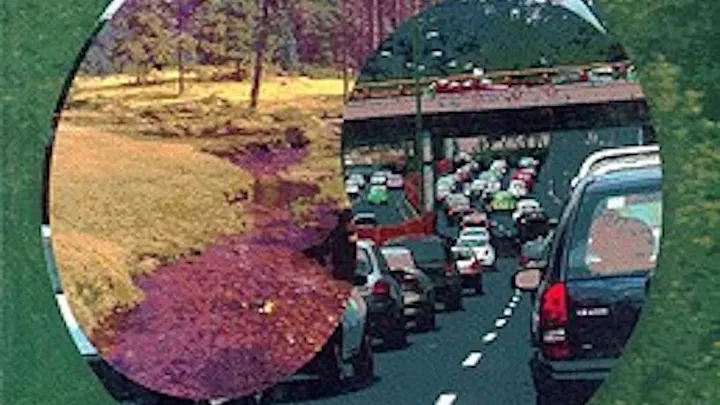
Earthpocalypse isn’t a ‘marginal’ cost (despite what economists say)
A couple observations from ‘El Planeta, Nuestro Cuerpo’. There aren’t ‘better’ ways to buy and sell nature, and GDP can measure poverty as much as profit. The absurdity reveals itself. Let’s choose more wisely.
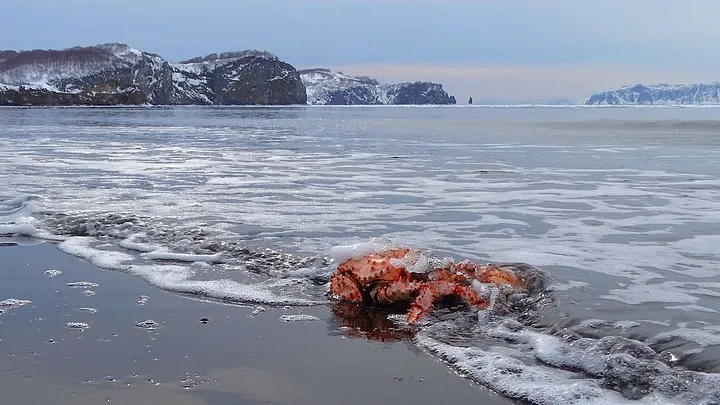
One billion crabs have had it
Alaska’s snow crabs said: ‘You can’t fire me because I quit’. What happens to animals involves plants, bacteria, landscapes, water, air. Everything is connected. How do the snow crabs feel? When can we ask them?

‘Atlas of a Changing Climate’ shows warming in images
Fundamentals and details explained in Brian Buma’s 2021 book. ‘The Atlas of a Changing Climate’ explains the science in a “relatable and understandable” way, admitting that readers may react with “wonder” or “despair.”

10 ways trans people are told we shouldn’t exist
Here’s why transphobia sounds like an eradication campaign. If someone were denying your gender, would you understand them as literally telling you to stop having your gender? Comply, and everything will be OK?
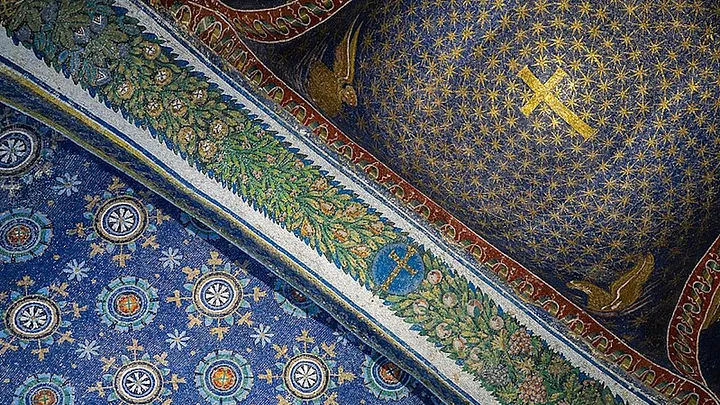
Do we shine a light into the dark ages…
…or does it illuminate what we know of ourselves? Gabriele and Perry’s ‘Bright Ages’. We might see a time that isn’t “isolated, savage, primitive,” but “messy and human.” Studying medieval Europe can teach us more about ourselves.
What do we talk about when we talk about vaccines?
The 2014 book ‘On Immunity’ by Eula Biss. ‘On Immunity’ reflects on the human immune system and on vaccination. There are broad philosophical implications: balance, safety, interdependence.
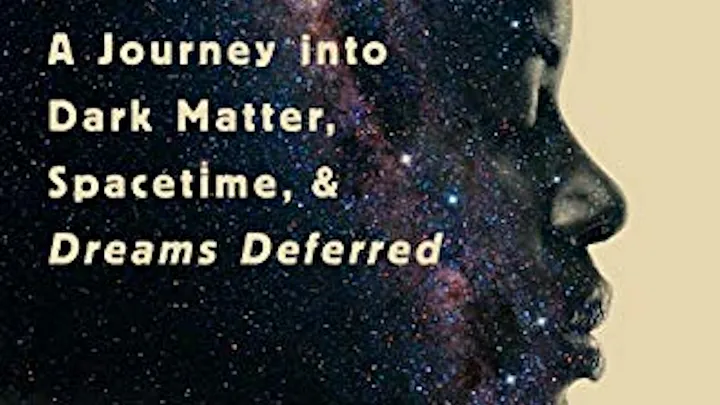
3 things I learned from ‘The Disordered Cosmos’
Dr. Chanda Prescod-Weinstein’s 2021 book on physics and identity. Dr. Chanda Prescod-Weinstein shares meta-insights about how science and society can prevent us from asking questions and obtaining insights. Who’s included?
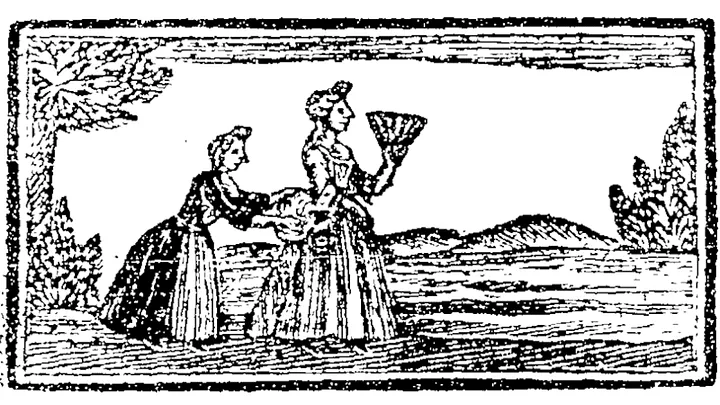
Does Moll Flanders know whether her mother is cheerful?
The Gettier problem in Daniel Defoe’s novel. Moll’s justified true belief (“My mother was a mighty cheerful, good-humoured old woman”) wasn’t knowledge. The novelist put an irony there.
Toward a better epistemology: Why do we care about what we know?
A reaction to the ‘Gettier problem’. Maybe there isn’t just one definition of knowledge. Maybe every type of knowledge is related in a “family resemblance.” Some are propositions. Some aren’t.