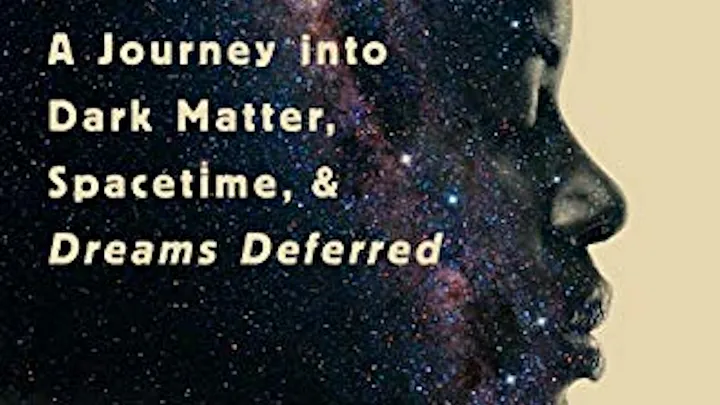
3 things I learned from ‘The Disordered Cosmos’
Dr. Chanda Prescod-Weinstein’s 2021 book on physics and identity. Dr. Chanda Prescod-Weinstein shares meta-insights about how science and society can prevent us from asking questions and obtaining insights. Who’s included?
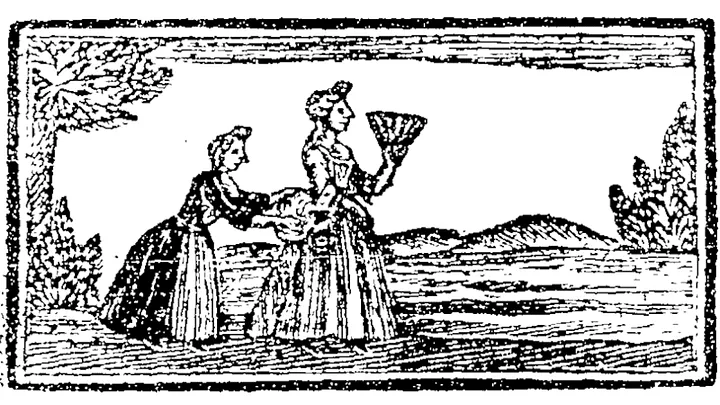
Does Moll Flanders know whether her mother is cheerful?
The Gettier problem in Daniel Defoe’s novel. Moll’s justified true belief (“My mother was a mighty cheerful, good-humoured old woman”) wasn’t knowledge. The novelist put an irony there.
Toward a better epistemology: Why do we care about what we know?
A reaction to the ‘Gettier problem’. Maybe there isn’t just one definition of knowledge. Maybe every type of knowledge is related in a “family resemblance.” Some are propositions. Some aren’t.
Trans volta
I didn’t choose the word ‘trans’ to describe my unique life path, nor would I have chosen it, but these days, this word happens to be the umbrella that works in the rain. A word you can use alongside ‘trans’ is ‘volta’.
Assume humanity, then ask about happiness
Trans people‘s say-so is evidence of our happiness. But no one should ask for evidence that trans people are people. Previously, I used Lydia Polgreen’s opinion as an example, and I identified and extracted these writing tips for you. Please note this key distinction.
No one needs ‘evidence’ that transition improves trans people’s humanity
Let’s distinguish scientific uncertainty from value judgment. Anti-trans prejudice doesn’t justify demanding evidence about trans people’s humanity. When we let go of prejudice, some common ‘questions’ dissolve.

Can an identity be true and not true?
On ‘constitutive tension’ in our concepts. Picking apart someone else’s identity? First ask: Why do you want to? What would be gained? And lost? What happens to your own identity in the process?

Gödel is sure Bach, and trans people are sure their gender
Reflections on the Pulitzer-winning ‘Gödel, Escher, Bach’ (1979). Their objection is an infinite regress. They’re laying a trap. If we needed rules about rules about rules, none of us could ever use language at all.

How do we know who we are?
Do we learn it from a crystal ball—or from our guts? How do others state with certainty that they know who they are? Do they have a crystal ball? Of course, we’re jealous. How can we know ourselves, too?