Yet another pro-discrimination argument
Always follow the typos. They reveal what editors aren’t researching. Why does a national newspaper pay a columnist for a 2,800-word anti-transgender opinion essay? More mysteriously: If there’s a typo, what does it imply?
New book on marriage deliberately ignores gay couples
Are we saving civilization yet? Brad Wilcox’s February 2024 book, ‘Get Married: Why Americans Must Defy the Elites, Forge Strong Families, and Save Civilization.’
‘And you know what that means’
Is it a dogwhistle? I don’t know what it means. Transphobic essays are fiction. Not the harmless entertainment kind, either. These are lies about brutalizing the elderly and medically intervening on kids.
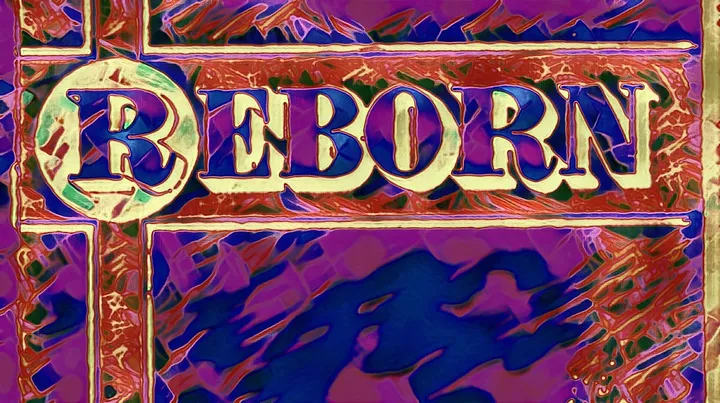
Little-known transgender memoir: ‘Reborn’ (1955)
Reborn: A Factual Life Story of a Transition From Male to Female by Tamara Reese. After her 1954 transition, Tamara says she’s ‘serving society in a useful and worthwhile manner’ and is ‘one of the happiest persons alive today.’
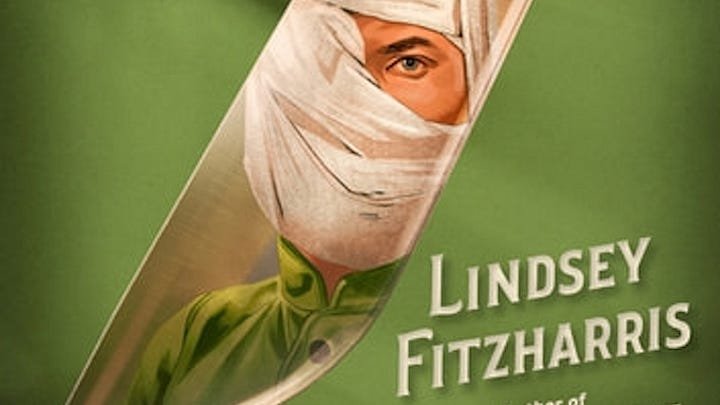
A surgeon for WWI and WWII vets also helped a trans man
The Facemaker by Lindsey Fitzharris. Harold Gillies “never shied away from a surgical challenge ,” Fitzharris writes. Gillies agreed to perform phalloplasty for a trans man in the late 1940s.
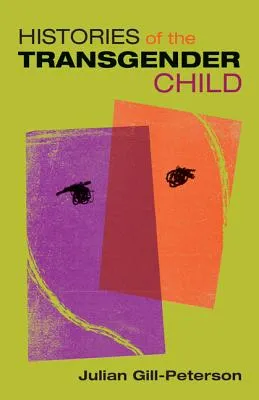
Trans kids are found in history, too
Histories of the Transgender Child by Jules Gill-Peterson. Adults should acknowledge that ‘trans childhood is a happy and desired form .’ It’s not a new phenomenon. It’s ‘richly, beautifully historical.’
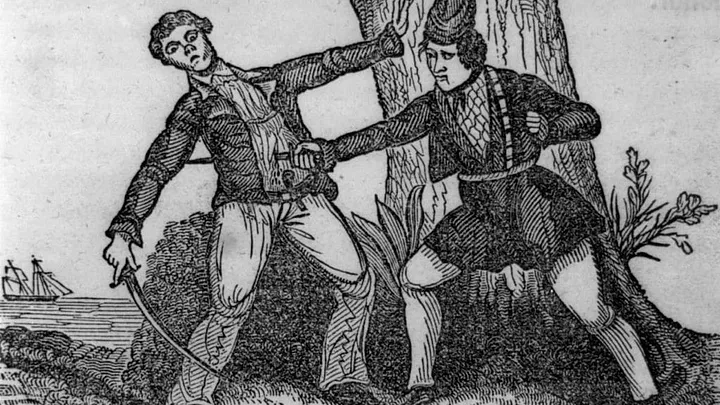
Did lady pirates button their shirts?
Yes. Art you may have seen to the contrary wasn’t realistic. Just because you’ve seen a naked image of a trans person doesn’t mean trans people walk around naked. Pirates too were motivated to button their shirts.
Liberation projects, art appreciation, and perceptions of the past
From my June 2024 reading list. The bird has flown, but the stone has not yet been thrown. Perhaps in the future it will come to mean something.
Is it about time, bodies, or both?
‘Trans Talmud’ by Max K. Strassfeld. Is this a question about time —what we think we know about the past and future? Or is it about bodies —how we sexually classify them? Or both?