
Trans and nonbinary kids talk about identity with Daniel Radcliffe
Sharing Space is a video series with the Trevor Project. Each of us has allyship and activism that we can do because of who we are. There’s something each of us can do especially well to make a real difference.

Butler on ‘imagining alternate futures’
Judith Butler’s 2021 interview in The Guardian. So-called gender-criticalism is ‘a regressive and spurious form of biological essentialism,’ Butler says. This interview is one I keep coming back to.

‘The story of my untangling’ through gender transition
‘Pageboy’ by Elliot Page. Page realized he was trans when he was about 30. He says it ‘seems like more people step forward to defend being unkind than…to support trans people.’

The definition of possibility was inadequate
Conundrum, a memoir by Jan Morris. Being a woman ‘is a passionate, lifelong, ineradicable conviction’ that ‘has never seemed ignoble or even unnatural to me,’ Jan Morris wrote.
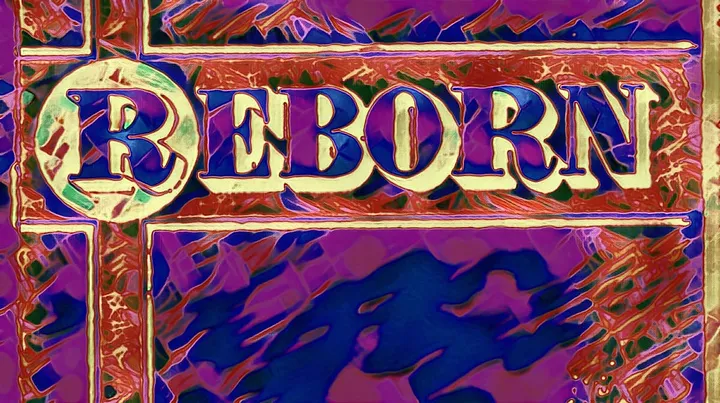
Little-known transgender memoir: ‘Reborn’ (1955)
Reborn: A Factual Life Story of a Transition From Male to Female by Tamara Reese. After her 1954 transition, Tamara says she’s ‘serving society in a useful and worthwhile manner’ and is ‘one of the happiest persons alive today.’

A surgeon for WWI and WWII vets also helped a trans man
The Facemaker by Lindsey Fitzharris. Harold Gillies “never shied away from a surgical challenge ,” Fitzharris writes. Gillies agreed to perform phalloplasty for a trans man in the late 1940s.
Assume humanity, then ask about happiness
Trans people‘s say-so is evidence of our happiness. But no one should ask for evidence that trans people are people. Previously, I used Lydia Polgreen’s opinion as an example, and I identified and extracted these writing tips for you. Please note this key distinction.

No one needs ‘evidence’ that transition improves trans people’s humanity
Let’s distinguish scientific uncertainty from value judgment. Anti-trans prejudice doesn’t justify demanding evidence about trans people’s humanity. When we let go of prejudice, some common ‘questions’ dissolve.

Can an identity be true and not true?
On ‘constitutive tension’ in our concepts. Picking apart someone else’s identity? First ask: Why do you want to? What would be gained? And lost? What happens to your own identity in the process?

Gödel is sure Bach, and trans people are sure their gender
Reflections on the Pulitzer-winning ‘Gödel, Escher, Bach’ (1979). Their objection is an infinite regress. They’re laying a trap. If we needed rules about rules about rules, none of us could ever use language at all.

How do we know who we are?
Do we learn it from a crystal ball—or from our guts? How do others state with certainty that they know who they are? Do they have a crystal ball? Of course, we’re jealous. How can we know ourselves, too?

Do we choose to be who we are?
And what, by the way, is choice? If you can’t snap your fingers to change, how do you change? What do we ask people to do when we ask them to change? Why should anyone change?