New dogs, now, in my own poems
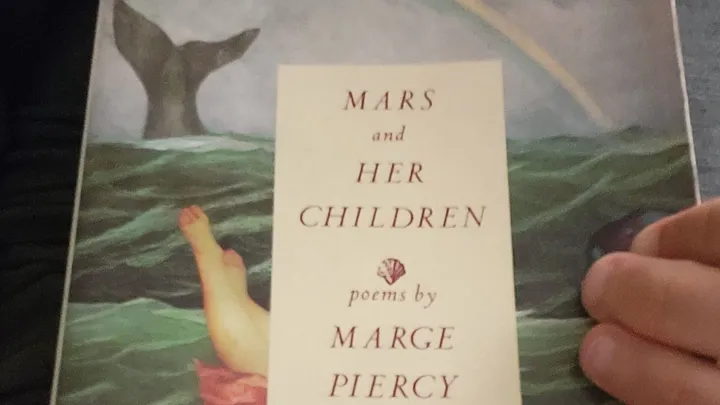
Rereading ‘Mars and Her Children’ by Marge Piercy. Marge Piercy’s poems in ‘Mars and Her Children’, I decided early on, are what I want to sound like when I wrote a poem. I’ve found my voice.

Darned if I can tell you how magic works
But this award-winning novel can: Summer Fun by Jeanne Thornton. How do we create our realities? How are you magic? If you haven’t yet read trans literature, I am giving you sage advice: Trans people’s books are magic.

Making an effort toward equal parenting
Written by a gay man, ‘The Equal Parent’ is about gender-inclusive parenting attitudes. Both men are active parents. The nursery has both of their phone numbers, and ‘if they cannot get hold of the dad they called first, they try the other one.’

My two favorite tweets from year-end 2021
The grace of shared joy and success. Seeing your own place change in the rankings often implies there is a rising star in your network. Their success doesn’t step on yours. Share their joy.

A gay self-discovery: Body, desire, but no ‘essence of me’
‘The Flower From a Poisoned Seed’ by Jonathan C. David. The more we want something, the harder we pursue it, and it feels like the reason we’re here. But if we ever reached it, what would be the point of life?
The ‘undecidability’ of life
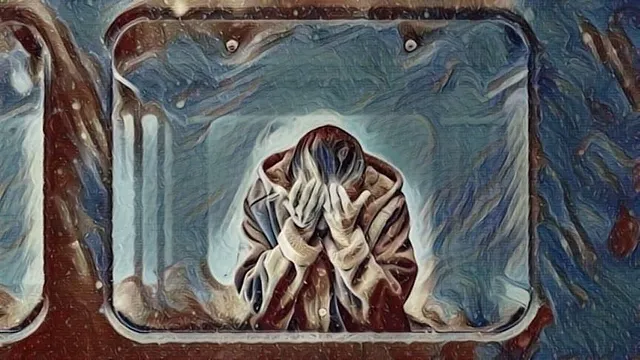
Freedom and despair in Will Eaves’ ‘Murmur’, about Alan Turing. The novelist directs our moral scrutiny not at the innocent man but at the state that victimizes him. The state destroys him, politically and existentially.
Assume humanity, then ask about happiness
Trans people‘s say-so is evidence of our happiness. But no one should ask for evidence that trans people are people. Previously, I used Lydia Polgreen’s opinion as an example, and I identified and extracted these writing tips for you. Please note this key distinction.

No one needs ‘evidence’ that transition improves trans people’s humanity
Let’s distinguish scientific uncertainty from value judgment. Anti-trans prejudice doesn’t justify demanding evidence about trans people’s humanity. When we let go of prejudice, some common ‘questions’ dissolve.

Can an identity be true and not true?
On ‘constitutive tension’ in our concepts. Picking apart someone else’s identity? First ask: Why do you want to? What would be gained? And lost? What happens to your own identity in the process?

Gödel is sure Bach, and trans people are sure their gender
Reflections on the Pulitzer-winning ‘Gödel, Escher, Bach’ (1979). Their objection is an infinite regress. They’re laying a trap. If we needed rules about rules about rules, none of us could ever use language at all.

How do we know who we are?
Do we learn it from a crystal ball—or from our guts? How do others state with certainty that they know who they are? Do they have a crystal ball? Of course, we’re jealous. How can we know ourselves, too?
Do we choose to be who we are?
And what, by the way, is choice? If you can’t snap your fingers to change, how do you change? What do we ask people to do when we ask them to change? Why should anyone change?