
Humility: A needed balance
On early modern philosophers and online trolls. In Lewis Carroll’s ‘You Are Old, Father William,’ a young person asks: ‘You balanced an eel on the end of your nose - / What made you so awfully clever?’

What is human dignity?
Where does it come from? How do we know it exists? Does dignity need to be pinned to God, or can it have secular grounding? Is it about humility, pride, or both? What does interdependence have to do with it?

When we disagree on politics and I lose a friend
I have to be a good person, and even then, it’s up to someone else if they want to be my friend. They don’t owe me what I gave as a gift, and certainly they don’t owe me what I never gave at all.

Does ‘woke’ mean saying — or not saying — certain words?
In any case, careful speech—including refraining from speaking — can build trust. When the right wing refers to “woke,” they may want to prevent others from saying certain words—or to reserve certain words for themselves.

It’s not ‘free speech,’ it’s bigotry
If they really believe in free speech, this is how we’ll know. There are many reasons why people have prejudices and why they devote their speech to expressing bigotry. Not high on the list: commitment to free speech.
When we don’t have Twitter, we’ll enjoy books again
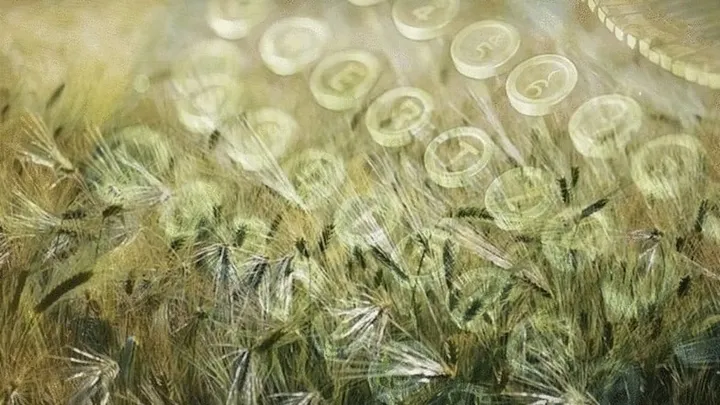
Reading ‘Melancholic Parables’ as a parable of Twitter. Flash fiction by Dale Stromberg. One way to read it: who we are when we’re tweeting, who we think we are when we’re tweeting, and why we keep tweeting.
Turtles all the way down
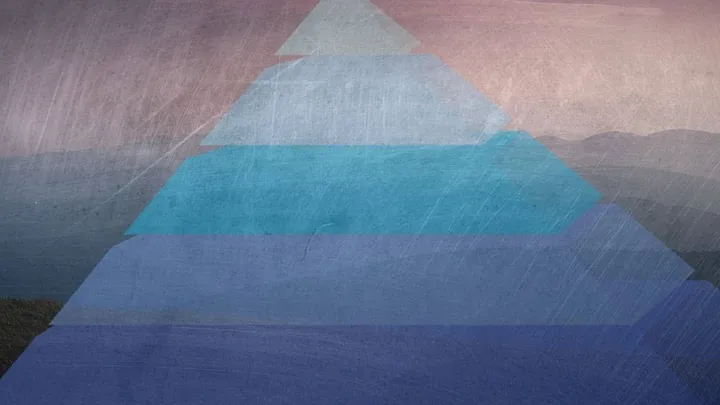
Finding truth in emptiness. When we acknowledge there is no final turtle, we open ourselves to discover and live more. The turtle on which we are standing is never the last one.
We can’t prepare for this moment
‘Opening to Darkness’ by Zenju Earthlyn Manuel. What to make of this political and ecological moment, this chaos that arrives with no instructions? We can “see, collectively, in the dark.”

‘Do I want it? Life, that is.’
‘On Not Knowing‘ by Emily Ogden. What is there to hope for? Should we hope? We can work in the field, making bales of hay, but the work of the soul “never will be cut and dried.”

‘Agnotology’: The study of ignorance
Our ways of knowing can be corrupted. “We’re going to have to rethink our metaphors,” Proctor said, on persuading people away from science-denial. “We’ve got to think much more creatively.”

We knew it before we were quizzed
That truth remains valuable. We existed. We went to school and forgot ourselves for a while. Then we remembered who we are. We had this knowledge with us the whole time.

We can’t represent the idea of representation
Even if art inspires imitation. The artwork looks real and inspires people to try to interact with it and eventually to reproduce the image or otherwise imitate the idea in their lives.