
Gilbert Highet on censorship, 1954
A collage of his words. Cave man painting a running stag? Standards of good and evil? Transmuted into living flames? I’m in. Then I realize it’s an argument for censorship.

When you claim that experts don’t know their stuff
Jordan Peterson says climate scientists don’t define their terms. When a troll accuses someone else of bad-faith rhetoric, they’re usually only describing how they themselves operate. It’s spin. And it’s pure projection.

I’m not debating that
But what’s this article doing, then? If cheese-breads are puffy, why are nut-breads less puffy? No one is asking what bakers are up to! Might be a conspiracy. Maybe nut-breads should be banned.

You won’t be afraid of that book anymore
You’ll feel better when you acknowledge your own reactions. Some people don’t want us to think and feel for ourselves, because doing so is part of what it means to be, and they want us to be afraid.

The living cathedral of knowledge
Secreting a shell. The cathedral is partly mine. Or is it a living snail, creeping ahead of me, of which I had lost sight, with which I am at this moment catching up?
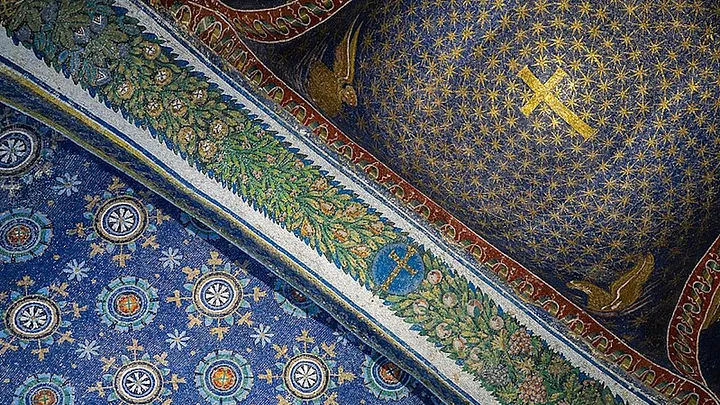
Do we shine a light into the dark ages…
…or does it illuminate what we know of ourselves? Gabriele and Perry’s ‘Bright Ages’. We might see a time that isn’t “isolated, savage, primitive,” but “messy and human.” Studying medieval Europe can teach us more about ourselves.
What do we talk about when we talk about vaccines?
The 2014 book ‘On Immunity’ by Eula Biss. ‘On Immunity’ reflects on the human immune system and on vaccination. There are broad philosophical implications: balance, safety, interdependence.
3 things I learned from ‘The Disordered Cosmos’
Dr. Chanda Prescod-Weinstein’s 2021 book on physics and identity. Dr. Chanda Prescod-Weinstein shares meta-insights about how science and society can prevent us from asking questions and obtaining insights. Who’s included?
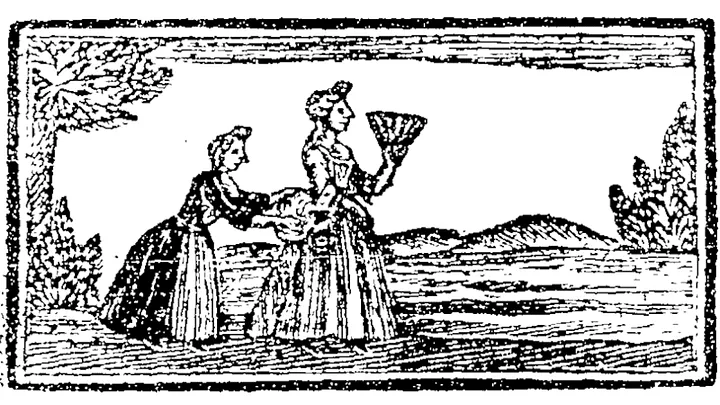
Does Moll Flanders know whether her mother is cheerful?
The Gettier problem in Daniel Defoe’s novel. Moll’s justified true belief (“My mother was a mighty cheerful, good-humoured old woman”) wasn’t knowledge. The novelist put an irony there.
Toward a better epistemology: Why do we care about what we know?
A reaction to the ‘Gettier problem’. Maybe there isn’t just one definition of knowledge. Maybe every type of knowledge is related in a “family resemblance.” Some are propositions. Some aren’t.
The feeling of knowing
Steven Connor’s 2019 book ‘The Madness of Knowledge’. ‘Epistemopathy’ means the feeling of knowing. We have pleasant and unpleasant feelings associated with knowing. That’s part of why knowledge matters to us.